
Last week, I noticed that the AP Stylebook posted on social media that they use Chernobyl versus Chornobyl, though they acknowledge they will note the Chornobyl spelling as needed, which touched off quite a debate in the comments.
I am not an AP Stylebook user—as a book editor, the Chicago Manual of Style is my master—but I followed this discussion with considerable interest because this is exactly the kind of information that editors flag all the time in manuscripts.
You might be wondering why this is up for debate to begin with, and that is rooted very much in both Eastern European history and current events. Chernobyl is the Russian name, which was in use in the 1980s when the then-Soviet town was evacuated after a nuclear disaster at its power plant, and Chornobyl is the Ukrainian name for the now abandoned town site that is physically located in independent Ukraine. I didn’t personally see this discussed widely prior to the 2022 Russian invasion of Ukraine, but which name to use has been an ongoing point of contention for years before then.
Many argue that it is not right, either morally or linguistically, to use Russian names for Ukrainian places because it is continuing a long-standing history of oppression and dismissing Ukraine’s independence. They also point out it is outdated to use names from the Soviet Union, which collapsed over 35 years ago. Those on the other side often see it more of an issue of reader accessibility—they are deferring to the spelling they think the audience will be most familiar with and, for some, following the historical precedent of what the name was when it experienced its infamous nuclear disaster.
The AP Stylebook does prefer the Ukrainian Kyiv to the Russian Kiev for the country’s capital and has done so since 2019, a fact frequently pointed out in the online comments that disagreed with the AP on its Chernobyl/Chornobyl decision.
As an editor, a big part of my job is being aware of these discussions and the nuances behind them so that I can advise my clients accordingly. The Chicago Manual of Style doesn’t offer a specific opinion on Chernobyl/Chornobyl or Kyiv/Kiev, which makes sense because the AP Stylebook is for journalists and needs to be more responsive to current events than the Chicago Manual of Style, which updates every several years and is careful to try not to outdate itself in between versions. So, though my first instinct in a debate like this is to turn to my trusty Chicago Manual of Style, it doesn’t offer direct guidance in this situation.
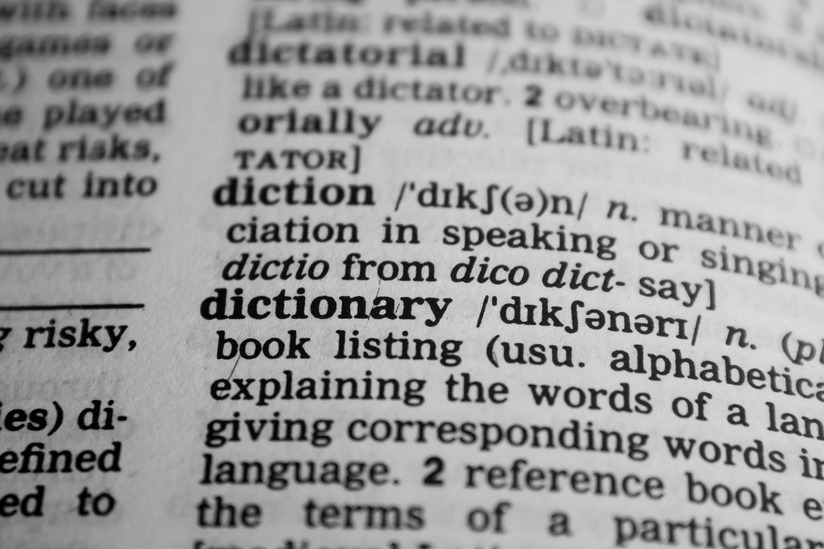
My next step is always Merriam-Webster, the default dictionary for American book editors, which lists Chernobyl first and then includes Chornobyl’ as an alternative. Merriam-Webster also follows the AP Stylebook‘s lead by listing Kyiv first then Kiev as an alternative. It also offers a third alternative, Kyyiv, while noting it is less commonly used. Generally, Merriam-Webster lists the preferred American usage first and then accepted alternatives afterward. Chicago Manual of Style does offer an opinion on this, recommending using the word/name Merriam-Webster lists first. In that case, in a roundabout way, Chicago Manual of Style suggests doing exactly what the AP Stylebook is doing—Chernobyl over Chornobyl but Kyiv rather than Kiev.
If I were to advise a client on this situation, I would flag the name in question in a comment in Word or in a draft of an email and offer the general debate outlined in this blog post. At that point, I then defer to what my client wants. If my client wants to use the first-listed word in Merriam-Webster, I would. If my client were to prefer to use the second-listed Merriam-Webster version, I would use it. If neither solution quite seems right, I would also suggest using the version they prefer with a note explaining the choice and the significance of it, if that approach would fit the manuscript’s audience and purpose.
Regardless of the ultimate decision, once the client makes a decision, then my work afterward concerning that word involves enforcing consistency across the manuscript with the version we selected. I do this by recording the version we decided on in my stylesheet for the manuscript, and I also conduct consistency checks several different ways to make sure none of the other versions slip past my attention.
You may be reading this and thinking this doesn’t have anything to do with you and your work because you don’t write about Chernobyl/Chornobyl or Kyiv/Kiev, but these kinds of naming decisions occur across geographical regions. In Northern Ireland, the usage of the town name Derry versus Londonderry can immediately signal some very strong partisan allegiances. And lest we think this only occurs in international contexts, writers discussing the American Civil War encounter this on a frequent basis since both sides used different naming conventions for the battles. (Manassas versus Bull Run, anyone? How about Shiloh versus Pittsburg Landing?)
Unsure if this issue is relevant to your manuscript? Reach out to me, and I can help! Making these decisions and ensuring they are consistent across the manuscript is a big part of what I do when I copyedit.